Beyond Style: Precision Engineering for Pickup Body Kits
In the automotive aftermarket, everyone talks about “style.” But as a developer with deep factory resources and years of export experience, I tell my clients one thing:
“A part that looks good but fits poorly is a liability, not an asset.”
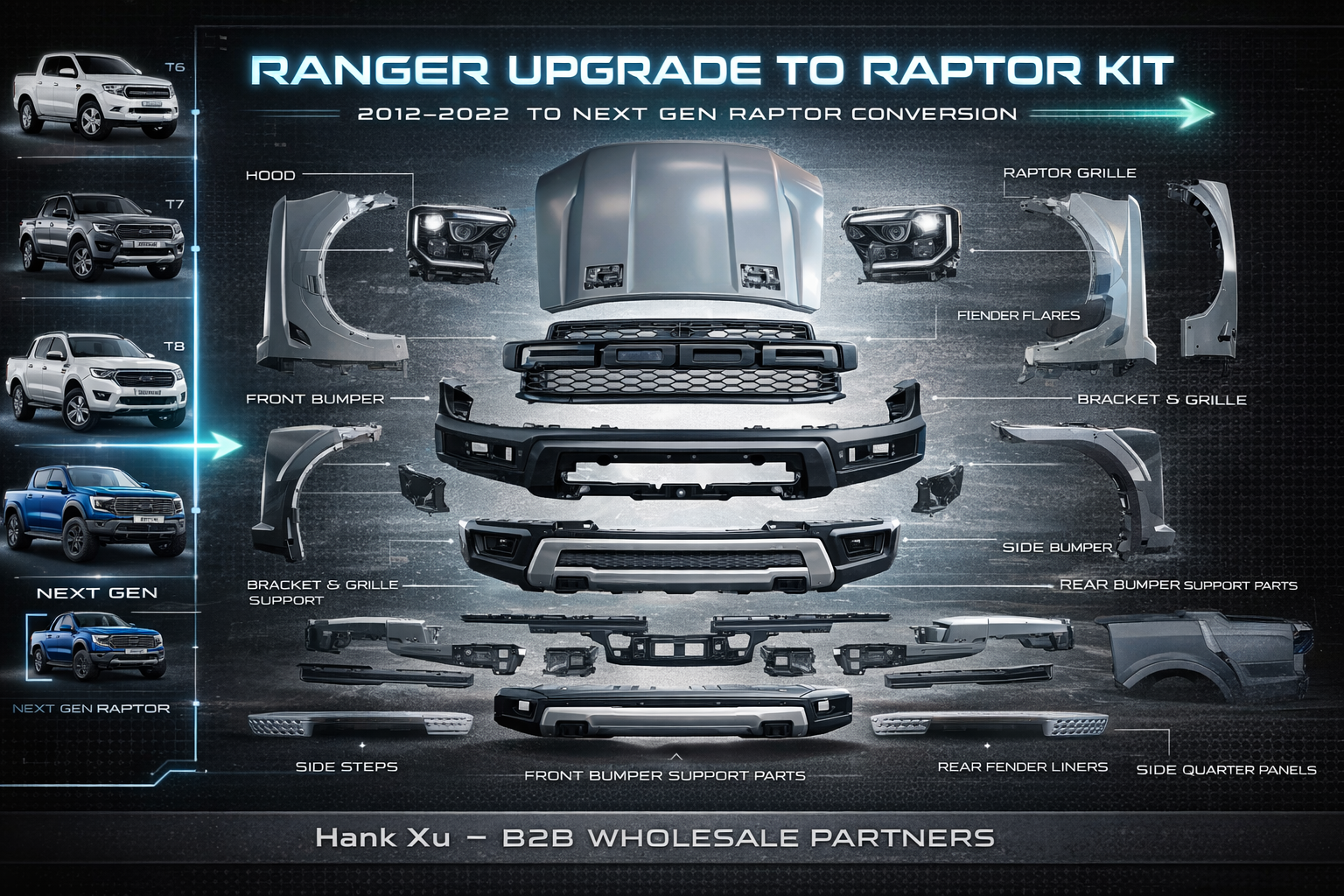
To succeed in the competitive B2B market—especially in the US, Australia, and SE Asia—you need more than just a “shell.” You need a precision-engineered system. Here is my first-person perspective on what it takes to develop a world-class body kit for the world’s most popular pickups like the Ford Ranger (T6, T9, Raptor), Toyota Hilux (Revo, Rocco, Travo), and Toyota Tundra.
1. Fitment Accuracy: The “Make or Break” Factor
In my R&D process, we never rely on “experience” or manual measurements. We use 3D Laser Scanning (Point Cloud Data) on the actual vehicle.
- Gap Control: Whether it’s a Ford Ranger to Raptor conversion or a Hilux Widebody kit, the gap between the bumper, fender, and hood must be identical to OEM standards.
- 100% Alignment: If a distributor’s mechanic has to drill a single new hole, the product is a failure. We design for 100% bolt-on precision.
2. Structural Engineering: Beyond the Surface
A body kit isn’t just about aesthetics; it’s about the Bracket System underneath.
- Heavy-Duty Support: For off-road bumpers and bull bars, the internal structure must handle weight and vibration.
- No-Cut Installation: This is the #1 selling point for dealers. Our kits are designed for non-destructive installation—no cutting, no welding, just bolts. This saves hours of labor, which directly increases the dealer’s profit margin.
3. Material Science for Global Markets
Not all plastics are created equal. We select materials based on the specific demands of the truck and the region:
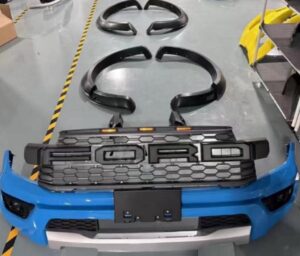
- ABS & PP (Polypropylene): Best for fenders and bumpers. Perfect balance of flexibility and impact resistance, ensuring a smooth paint finish without “wavy” textures.
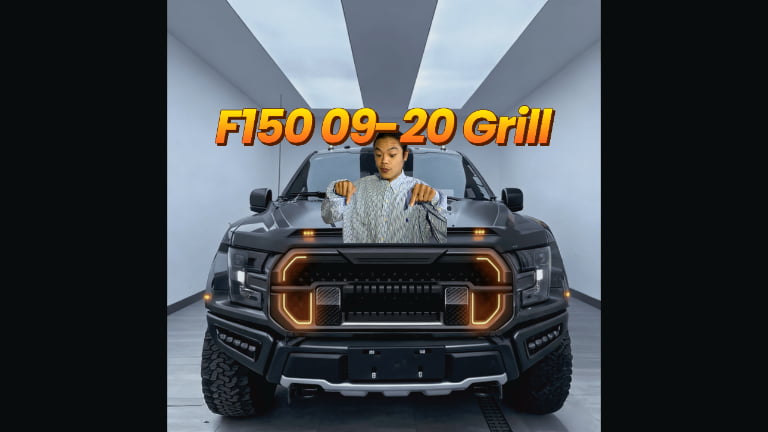
- Steel & Aluminum Alloys: Essential for structural components like side steps, roll bars, and bash plates for the Ford F-150 or Chevy Silverado.
4. Mold Precision & Surface Finish
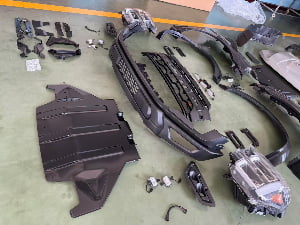
The mold is the root of your profit. We focus on deformation control for large parts like hoods and one-piece bumpers. By optimizing the parting lines of our molds, we minimize visible seams and reduce the need for post-processing. When the kit fits perfectly out of the box, the distributor’s “speed-to-market” increases significantly.
5. Plug-and-Play Electronics (CANBUS Compatible)
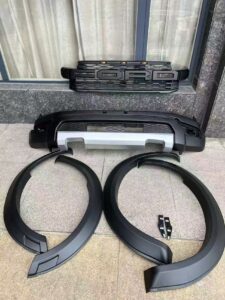
Modern trucks like the Ford Ranger T9 are packed with sensors. The biggest headache for installers is the “Error Code.”
- Zero Errors: Our lighting kits (Headlights, Taillights, DRLs) are 100% CANBUS compatible.
- Plug & Play: No wire splicing. OEM-style connectors ensure the vehicle’s electrical integrity remains intact — critical for the US market, where customers have zero tolerance for flickering lights or dashboard warnings.
6. Logistics: Protecting Your Margins
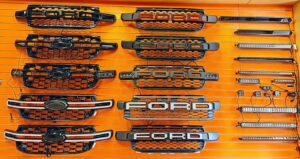
Shipping large items like fenders and hoods globally is a logistical challenge. We optimize for Volumetric Weight:
- Modular Packaging: Parts designed to be nested or disassembled for shipping, drastically reducing sea freight costs.
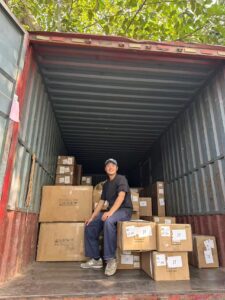
- Drop-Test Standards: Every kit is packed with high-density foam and anti-scratch film to ensure it arrives in pristine condition at your warehouse.
What Are You Actually Selling?
In the B2B world, price gets you a meeting, but reliability gets you the contract.
“This is not just a body kit. This is a complete upgrade system designed for fast installation and resale profit.”
When the installation is seamless, the supply chain is stable, and the end-user is happy, the distributor makes money. That is the value we provide.
Looking for Premium Pickup Body Kits?
Whether you are upgrading a Ford Ranger, Toyota Hilux, or Ford F-150, we provide factory-direct, 3D-scanned solutions that guarantee fitment.